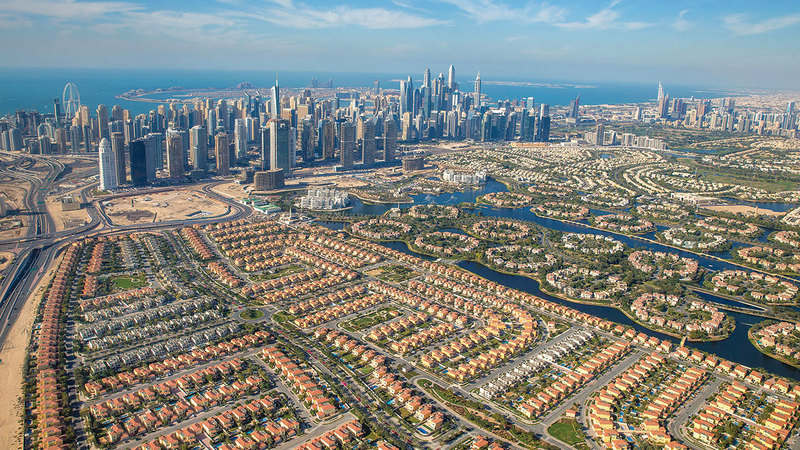
Dubai offers an unusually wide range of residential experiences. A home can place you overlooking the beach, within a landscaped master-planned community, at the centre of an urban waterfront, or in a quieter neighbourhood built around parks and everyday convenience. With so many choices, the right property is rarely defined by one feature alone.
The better question is: which home fits the way you want to live now, while still making sense for the years ahead? Choosing well means looking beyond finishes and first impressions to the location, community, design, developer, amenities and long-term usability of the property.
1. Start with how you want to live
Before comparing projects, define the role the property will play in your life. A primary residence has different priorities from a second home or an investment-led purchase. Daily commutes, family needs, privacy, access to leisure, outdoor spaces and the amount of time you expect to spend at home should all influence the shortlist.
A buyer who values quiet mornings, greenery and neighbourhood spaces may prefer a low-density community. Someone who wants the sea to be part of everyday life may prioritise beachfront living. Others may want immediate access to business districts, restaurants and entertainment. There is no universal ‘best’ choice; there is a better fit for a particular lifestyle.
2. Choose the location around your routine, not only its reputation
Dubai’s best-known addresses each offer a different rhythm. When assessing a location, consider the routes you will use most often: work, schools, airports, social destinations, healthcare and the places you visit on weekends. Connectivity can affect daily comfort far more than a prestigious postcode on its own.
It is also useful to compare the character of different Dubai residential locations. Jumeirah Islands, for example, offers a greener and more tranquil setting shaped by lakeside living and landscaped surroundings, while remaining close to JLT, DMCC and Dubai Marina. Palm Jumeirah offers a distinctly coastal lifestyle with private shoreline living and strong access to resort, dining and leisure experiences.
3. Look beyond the home to the wider community
The apartment or residence is only one part of the experience. The quality of the wider community shapes how a home feels every day. Look at landscaping, walkability, shared spaces, privacy between buildings, social areas, children’s facilities, wellness infrastructure and the way residents move through the development.
A master-planned destination can be particularly relevant for buyers who want more of daily life to happen close to home. The strongest communities make amenities feel integrated rather than added as a checklist. This makes walking, exercising, meeting others and spending time outdoors a natural part of everyday life.
Serenia District in Jumeirah Islands is one example of this approach, with its residential towers planned around lifestyle zones, landscaped movement and a residents’ clubhouse rather than treated as separate buildings.
4. Look for design that works after the first impression
A visually striking property can attract attention, but good residential design should continue to perform long after the first impression. Pay attention to proportions, natural light, privacy, circulation, storage, furniture placement and the relationship between indoor and outdoor space.
Timeless design is not about being plain. It is about clarity and restraint: layouts that make sense, materials that age well and architecture that responds to its setting. These qualities can make a home easier to live in and help it remain relevant as design trends change.
5. Ask which amenities you will actually use
The longest amenity list is not automatically the most valuable one. Think about what will improve your real routine. A well-designed gym, shaded outdoor areas, pools, wellness spaces, children’s facilities or residents’ lounges may add meaningful convenience if they match how you live. Amenities that photograph well but are rarely used should carry less weight in the decision.
For buyers who want the coast to become part of daily life, a development such as Serenia Living on Palm Jumeirah shows how beachfront access, wellness facilities and outdoor areas can be planned as part of the residential experience rather than as isolated features.
6. Research the developer as carefully as the property
The quality of a development is closely connected to the people and processes behind it. Review the developer’s completed portfolio, delivery history, construction partners, design consistency and approach to post-handover experience. A long track record is most meaningful when it is supported by completed projects that buyers can assess in the real world.
Palma Development’s development philosophy is built around considered locations, timeless design, reliable delivery and lifestyle-led communities. These are useful criteria for any buyer to apply when comparing developers, regardless of the project under consideration.
7. Think beyond today’s requirements
A property should suit your current life, but the strongest decisions also allow for change. Consider whether the space can support a growing family, more time working from home, longer stays in Dubai or a different daily routine in the future. If investment value matters, focus on fundamentals such as location quality, enduring design, community appeal and credible delivery rather than short-term predictions.
This long-term perspective is especially important in a fast-moving market. A home with a clear identity and practical strengths is better positioned to remain desirable than one chosen only because a particular feature is fashionable today.
A practical checklist before you decide
- Does the location work for my actual weekly routine?
- Does the community support the lifestyle I want outside the home?
- Is the layout comfortable, practical and adaptable?
- Will I genuinely use the amenities I am paying for?
- Does the architecture respond well to light, privacy and orientation?
- What has the developer delivered before, and how consistently?
- Does the property still make sense if my needs change in three to five years?
The right property is the one that fits the whole picture
Choosing the right property in Dubai is ultimately about alignment. The address, architecture, community, amenities and developer should work together to support the way you want to live. When those elements are considered as one decision rather than separate selling points, it becomes easier to distinguish a home with lasting relevance from one that simply makes a strong first impression.
To compare different residential experiences across Dubai, explore Palma Development and its portfolio of communities in established locations across the city.